

- Animal Type: Reptiles
- Product Type: Substrate / Bedding
- Animal Type: Reptiles
- Product Type: Substrate / Bedding
- Usage: Indoor
- Animal Type: Reptiles
- Product Type: Substrate / Bedding
- Usage: Indoor
- Animal Type: Reptiles
- Product Type: Substrate / Bedding
- Animal Type: Reptiles
- Product Type: Substrate / Bedding
- Animal Type: Reptiles
- Product Type: Substrate / Bedding
- Animal Type: Reptiles, Universal / All Pets
- Product Type: Substrate / Bedding
Substrates — Description
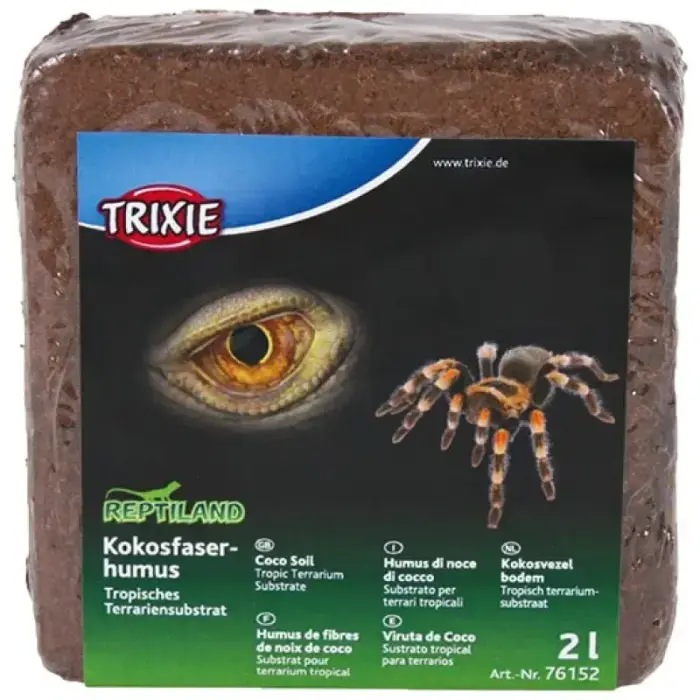
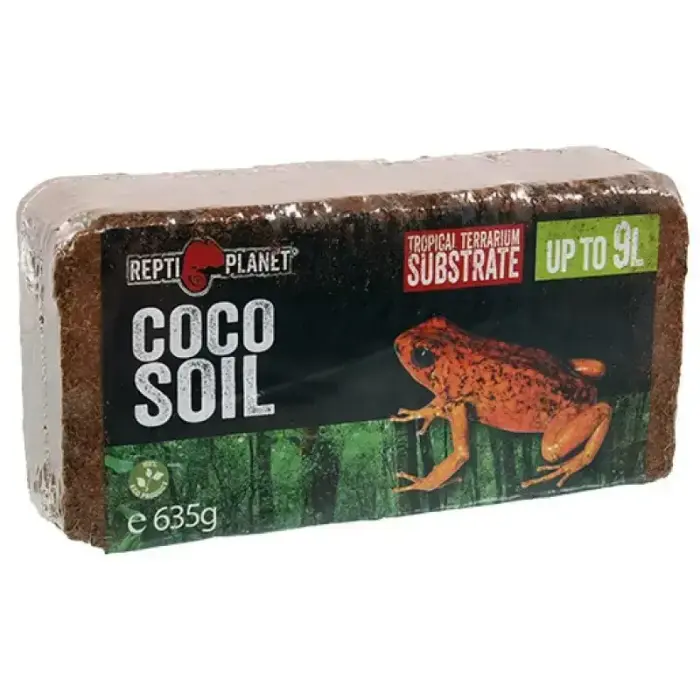
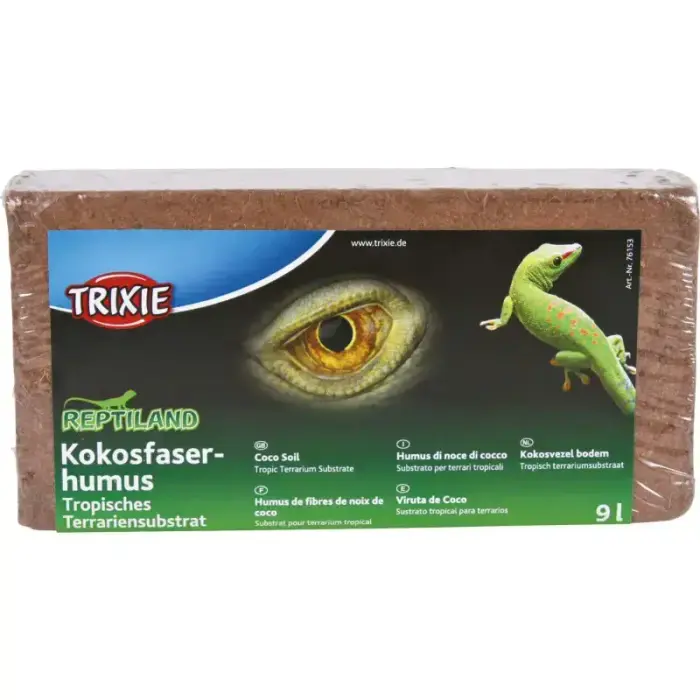
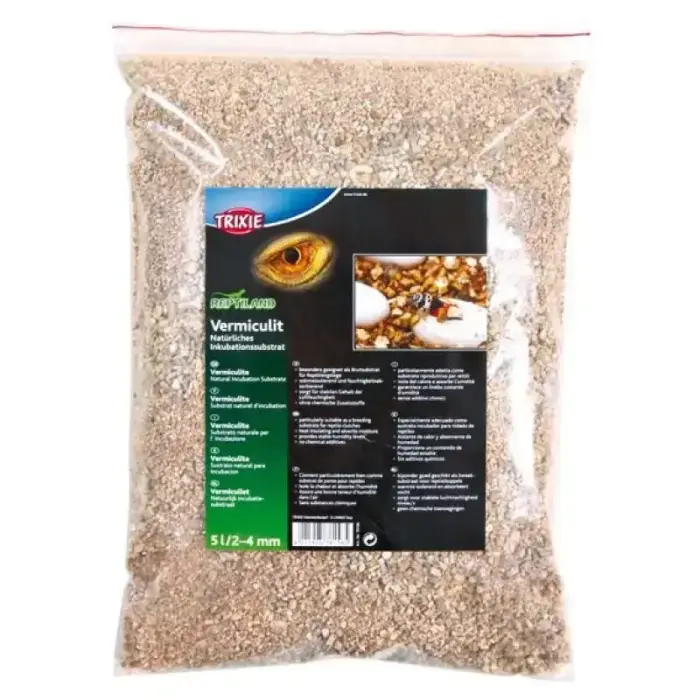
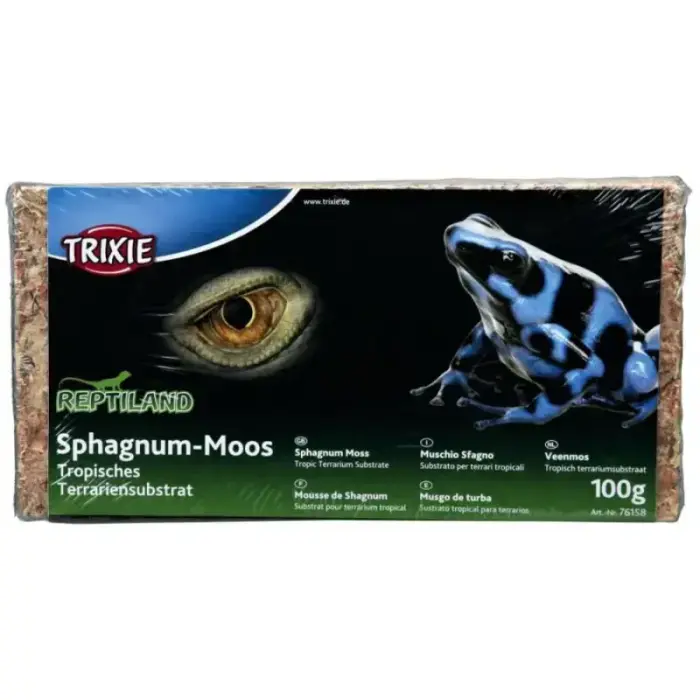
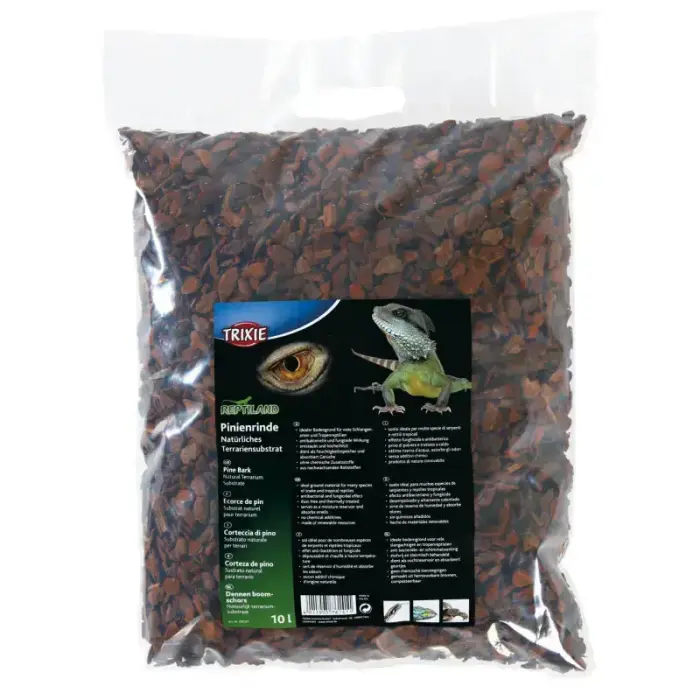
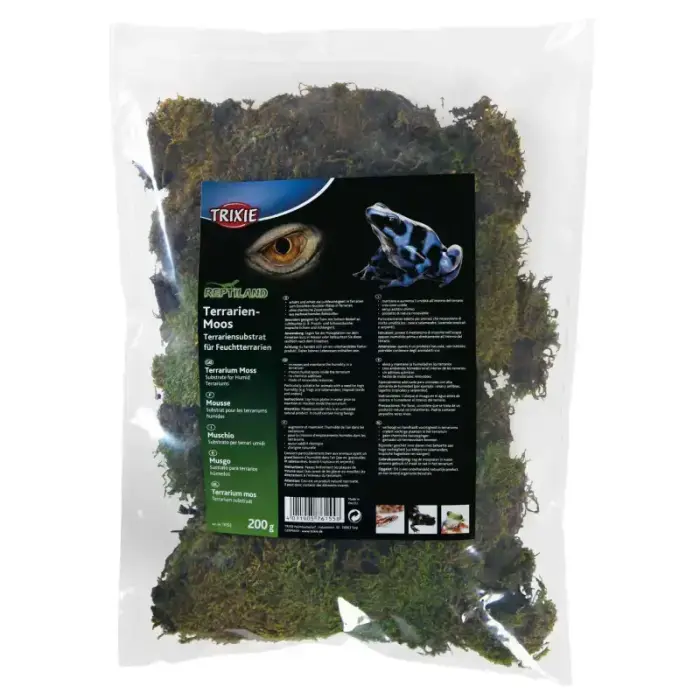
Terrarium substrates form the floor where a reptile digs, hides and lays eggs while holding the humidity or dryness the species needs. The category lists Trixie Coco Soil coconut fibre substrate 2 l and 9 l, the Repti Planet Coco Bricket compressed coconut brick 635 g, Trixie fine beech chips 20 l, natural pine bark terrarium substrate 10 l, Trixie desert sand 5 kg red, Trixie terrarium moss 200 g and sphagnum moss substrate, plus Trixie SP vermiculite 5 l – a natural incubation substrate for reptile eggs. Coconut fibre swells 5–7 times in water and holds 70–90 % humidity in a tropical terrarium for a crested gecko, python and green iguana, the 635 g brick yields 8 l of substrate. Beech chips are dry and dust-free – for a bearded dragon and leopard gecko, pine bark 10 l suits snakes and tortoises at medium humidity. Red desert sand 5 kg recreates the Australian habitat of an agama and mixes with clay for burrowing. Sphagnum moss in a hide raises humidity for shedding, vermiculite 5 l in an incubator keeps eggs at 28–32 °C with stable moisture. Layer 5–10 cm, change every 1–2 months. Choose by species – Coco Soil for tropics, sand or chips for desert, vermiculite for eggs. Fast delivery across Latvia.